The Economic Welfare Theory in Rap Music: A Self-Study
Category : albumd | Sub Category : albumd Posted on 2024-09-07 22:25:23
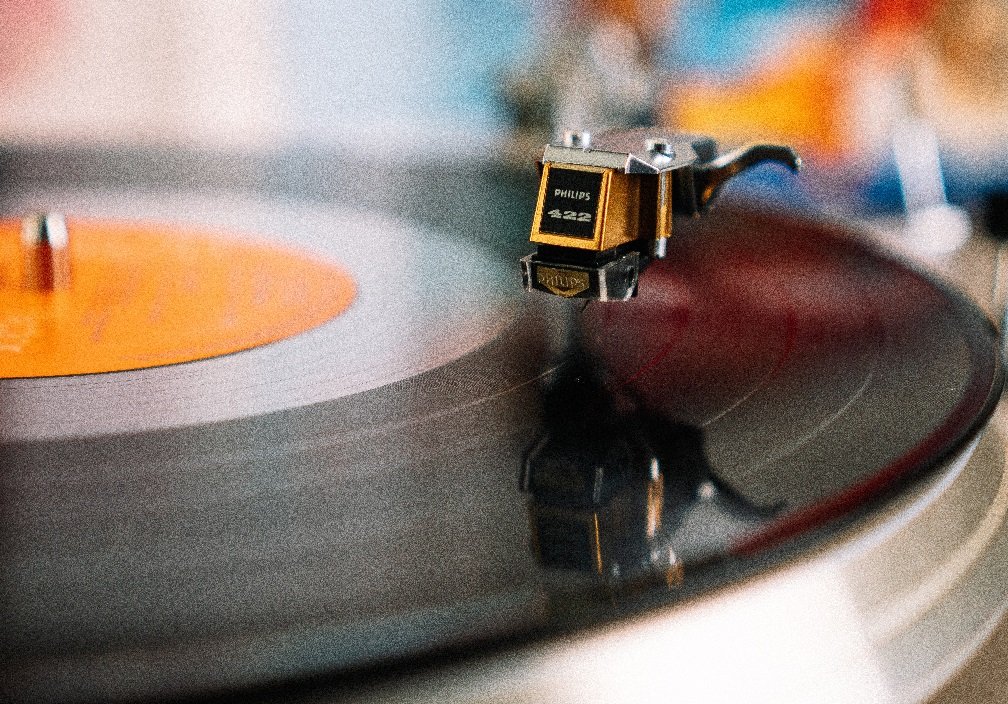
In recent years, rap music has emerged as a dominant force in the music industry, revolutionizing the way artists express themselves and allowing listeners to engage with topics such as social justice, economic disparity, and personal struggles. One less explored aspect of rap music is its relationship to economic welfare theory - the study of how well-being is influenced by economic factors such as income distribution, employment, and social services. In this blog post, we will delve into this unique intersection, looking at how rap music can serve as a lens through which to examine economic welfare theory on a personal and societal level. Rap music often serves as a platform for artists to share their personal stories of overcoming economic hardships, systemic inequalities, and financial struggles. By delving into these narratives, listeners are exposed to the harsh realities faced by many individuals in society, shedding light on the impact of economic policies and social structures on individual well-being. For example, artists like Tupac Shakur and Kendrick Lamar have used their music to address issues of poverty, crime, and social injustice, highlighting how economic factors can shape the lives of marginalized communities. Moreover, rap music also provides a space for artists to critique existing economic systems and advocate for change. Through their lyrics, artists may challenge the status quo, call out systemic inequalities, and demand greater economic equity. This aspect of rap music aligns with the goals of economic welfare theory, which aims to improve overall societal well-being by addressing economic disparities and promoting equal opportunities for all individuals. On a personal level, rap music can also serve as a form of self-study, allowing listeners to reflect on their own economic circumstances and social privileges. By engaging with the stories and perspectives shared in rap music, listeners may develop a deeper understanding of the ways in which economic factors impact their own lives and the lives of those around them. This self-reflection can lead to greater awareness of economic disparities, empathy for others, and a desire to advocate for positive change in society. In conclusion, the relationship between rap music and economic welfare theory is a complex and multifaceted one. Through its storytelling, critique of economic systems, and opportunities for self-reflection, rap music offers a unique perspective on the intersection of art, economics, and social justice. By exploring this relationship further, we can gain a deeper understanding of the ways in which music can serve as a powerful tool for examining and advocating for economic well-being in our society. For a fresh perspective, give the following a read https://www.cotidiano.org also for More in https://www.topico.net
Leave a Comment:
SEARCH
Recent News
- Zurich, Switzerland is a vibrant city known for its rich cultural scene and diverse music offerings. One unique aspect of Zurich's music scene is the presence of Sudanese music, which has found a home in the city's melting pot of cultures.
- Visiting Zurich, Switzerland, can be an enriching experience for music lovers from all corners of the world. While the city may not be the first place that comes to mind when thinking about South African music, Zurich's diverse music scene offers a glimpse into the vibrant sounds of this African nation.
- Zurich, Switzerland is a vibrant city known for its stunning architecture, picturesque landscapes, and rich culture. One aspect of Zurich's cultural scene that often goes under the radar is its regional music. The city and its surrounding areas are home to a diverse range of musical styles, reflecting the multiculturalism and artistic diversity of the region.
- Zurich, Switzerland: Discovering the Vibrant Norwegian Music Scene
- Zurich, Switzerland: A Hub for Estonian Music
- YouTube Content Creation and Translation: Bringing Sudanese Music to a Global Audience
- YouTube has become a powerful platform for content creators to share their work with a global audience. One area that has seen significant growth in recent years is the creation and translation of South African music content on the platform. South Africa has a rich and diverse musical landscape, ranging from traditional to modern genres, and YouTube has provided a space for South African artists to showcase their talent to the world.
- YouTube has become a popular platform for content creators to showcase their talents to a global audience. One area of YouTube content creation that has been gaining traction is regional music. With the ability to reach viewers all around the world, YouTube offers a unique opportunity for musicians and artists to share their culture and music with a diverse audience.
READ MORE
11 months ago Category : albumd

Zurich, Switzerland is a vibrant city known for its rich cultural scene and diverse music offerings. One unique aspect of Zurich's music scene is the presence of Sudanese music, which has found a home in the city's melting pot of cultures.
Read More →11 months ago Category : albumd

Visiting Zurich, Switzerland, can be an enriching experience for music lovers from all corners of the world. While the city may not be the first place that comes to mind when thinking about South African music, Zurich's diverse music scene offers a glimpse into the vibrant sounds of this African nation.
Read More →11 months ago Category : albumd

Zurich, Switzerland is a vibrant city known for its stunning architecture, picturesque landscapes, and rich culture. One aspect of Zurich's cultural scene that often goes under the radar is its regional music. The city and its surrounding areas are home to a diverse range of musical styles, reflecting the multiculturalism and artistic diversity of the region.
Read More →11 months ago Category : albumd
