### State-Paid Quadcopters and Drones in Rap Music: A Unique Collaboration
Category : albumd | Sub Category : albumd Posted on 2024-09-07 22:25:23
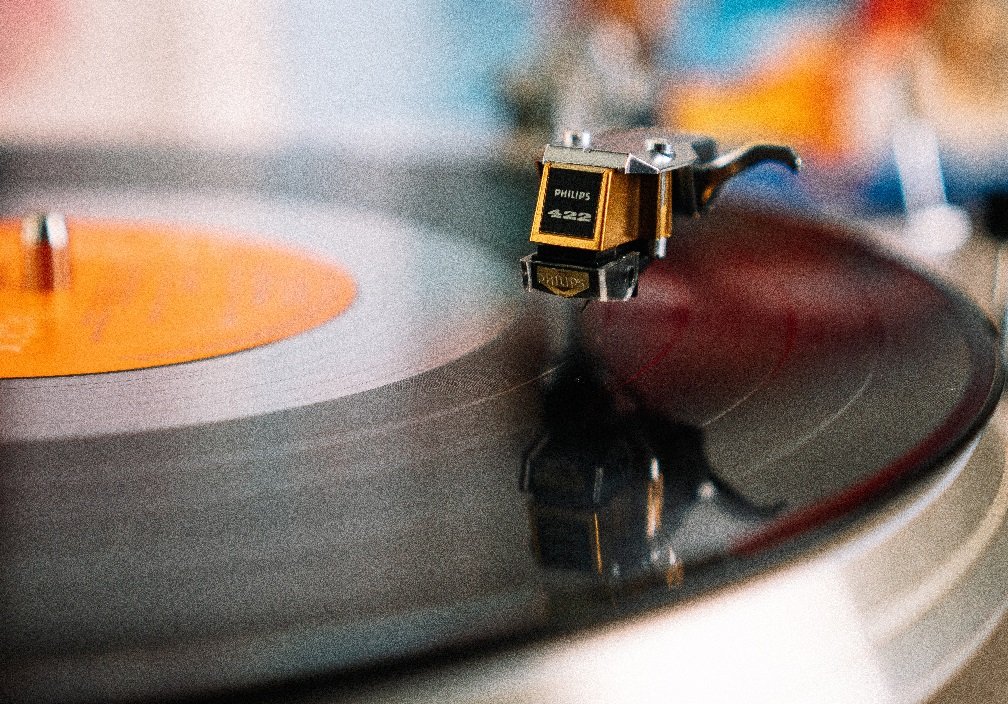
In the ever-evolving landscape of music and technology, a new trend has emerged that is turning heads and sparking conversations - the inclusion of state-paid quadcopters and drones in rap music. This unique collaboration between the world of music and governmental efforts to enhance surveillance capabilities is raising eyebrows and prompting discussions about privacy, freedom of expression, and the role of technology in the arts. Quadcopters and drones have long been used by various governments for surveillance, reconnaissance, and security purposes. These unmanned aerial vehicles provide a bird's eye view of the world below and are equipped with cameras and other sensors to gather data and intelligence. While their use in military and law enforcement operations is well-documented, their presence in the world of rap music is a new and surprising development. Rap music has a rich history of addressing social issues, political topics, and personal experiences. From the streets of inner-city neighborhoods to the global stage, rap artists use their lyrics to shed light on important issues and express their thoughts and feelings. The inclusion of state-paid quadcopters and drones in rap music brings a new dimension to the genre, blurring the lines between art and government agendas. Some artists see this collaboration as a way to shine a light on government surveillance practices and raise awareness about privacy concerns in the digital age. Others view it as a form of censorship and government interference in the creative process. The debate over the presence of state-paid quadcopters and drones in rap music is multifaceted and complex, touching on issues of power, control, and artistic freedom. As the discussion around this topic continues to evolve, one thing is clear - the intersection of state-paid quadcopters and drones with rap music is a fascinating development that is pushing the boundaries of both art and technology. Whether it's a reflection of our society's increasing reliance on surveillance or a bold artistic statement against government overreach, this collaboration is sure to be a topic of conversation for years to come. In conclusion, the inclusion of state-paid quadcopters and drones in rap music is a complex and thought-provoking development that challenges our perceptions of technology, art, and governance. As rap artists continue to push boundaries and explore new creative avenues, the role of state-sponsored surveillance in music is a topic that will likely spark further debate and discussion in the future. To expand your knowledge, I recommend: https://www.qqhbo.com You can also check following website for more information about this subject: https://www.mimidate.com For a comprehensive review, explore https://www.keralachessyoutubers.com For a broader perspective, don't miss https://www.cotidiano.org Check the link: https://www.topico.net
Leave a Comment:
SEARCH
Recent News
- Zurich, Switzerland is a vibrant city known for its rich cultural scene and diverse music offerings. One unique aspect of Zurich's music scene is the presence of Sudanese music, which has found a home in the city's melting pot of cultures.
- Visiting Zurich, Switzerland, can be an enriching experience for music lovers from all corners of the world. While the city may not be the first place that comes to mind when thinking about South African music, Zurich's diverse music scene offers a glimpse into the vibrant sounds of this African nation.
- Zurich, Switzerland is a vibrant city known for its stunning architecture, picturesque landscapes, and rich culture. One aspect of Zurich's cultural scene that often goes under the radar is its regional music. The city and its surrounding areas are home to a diverse range of musical styles, reflecting the multiculturalism and artistic diversity of the region.
- Zurich, Switzerland: Discovering the Vibrant Norwegian Music Scene
- Zurich, Switzerland: A Hub for Estonian Music
- YouTube Content Creation and Translation: Bringing Sudanese Music to a Global Audience
- YouTube has become a powerful platform for content creators to share their work with a global audience. One area that has seen significant growth in recent years is the creation and translation of South African music content on the platform. South Africa has a rich and diverse musical landscape, ranging from traditional to modern genres, and YouTube has provided a space for South African artists to showcase their talent to the world.
- YouTube has become a popular platform for content creators to showcase their talents to a global audience. One area of YouTube content creation that has been gaining traction is regional music. With the ability to reach viewers all around the world, YouTube offers a unique opportunity for musicians and artists to share their culture and music with a diverse audience.
READ MORE
10 months ago Category : albumd

Zurich, Switzerland is a vibrant city known for its rich cultural scene and diverse music offerings. One unique aspect of Zurich's music scene is the presence of Sudanese music, which has found a home in the city's melting pot of cultures.
Read More →10 months ago Category : albumd

Visiting Zurich, Switzerland, can be an enriching experience for music lovers from all corners of the world. While the city may not be the first place that comes to mind when thinking about South African music, Zurich's diverse music scene offers a glimpse into the vibrant sounds of this African nation.
Read More →10 months ago Category : albumd

Zurich, Switzerland is a vibrant city known for its stunning architecture, picturesque landscapes, and rich culture. One aspect of Zurich's cultural scene that often goes under the radar is its regional music. The city and its surrounding areas are home to a diverse range of musical styles, reflecting the multiculturalism and artistic diversity of the region.
Read More →10 months ago Category : albumd
