The Healing Power of Music: How Album Releases and Songs Can Improve Health Care
Category : albumd | Sub Category : albumd Posted on 2023-10-30 21:24:53
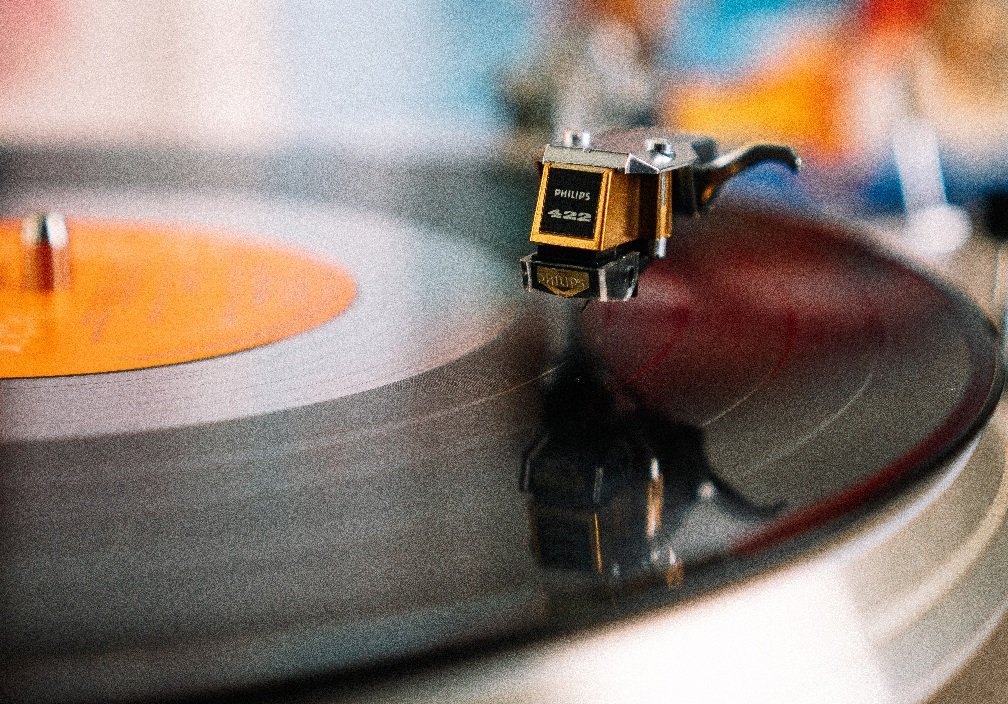
Introduction: In the fast-paced and often stressful world of health care, the importance of finding ways to relax and rejuvenate cannot be overstated. While traditional methods of self-care, such as exercise, meditation, and healthy eating, are well-known, there is another powerful tool that can greatly contribute to overall well-being: music. In this blog post, we will explore how both new album releases and individual songs can enhance the health care experience, providing comfort, inspiration, and even therapeutic benefits to patients and healthcare professionals alike. 1. Stress Reduction: One of the most significant benefits of music is its ability to reduce stress levels. Studies have shown that listening to music can lower blood pressure, improve heart rate variability, and decrease cortisol levels a hormone associated with stress. In a health care setting, where stress and anxiety are often prevalent, playing soothing and calming music can create a more peaceful environment for patients, helping them relax and promoting quicker healing. 2. Pain Management: It's no secret that music has the power to distract and alleviate pain. Healthcare providers have long used music therapy as an effective complementary approach to pain management in various medical interventions. By diverting attention away from pain stimuli, music can provide a welcome relief and help patients cope with discomfort during procedures or recovery. Additionally, certain melodies and rhythms can trigger the release of endorphins the body's natural painkillers resulting in a more positive experience for patients. 3. Mood Enhancement: Music has a remarkable ability to influence emotions and improve moods. Upbeat, lively tunes can instantly boost energy levels and create a more positive atmosphere, while soothing melodies can promote relaxation and tranquility. In health care facilities, incorporating music into waiting areas, common spaces, and even individual patient rooms can contribute to a more enjoyable and uplifting experience for patients, as well as improve the morale of healthcare professionals. 4. Connection and Empathy: Album releases and songs have a unique way of connecting people on an emotional level. In a health care context, this can foster empathy, compassion, and understanding between patients and healthcare providers. By sharing music preferences, discussing lyrics, or even playing instruments together, patients and medical staff can form deeper connections, leading to improved patient satisfaction and more meaningful therapeutic relationships. 5. Inspiration and Motivation: Songs have the power to inspire and motivate individuals, providing them with a temporary escape from their challenges. In a health care environment, where recovery and perseverance are key, playing motivational songs can give patients the courage and determination to face their medical journey. Healthcare professionals can also benefit from music that uplifts their spirits, helping them maintain enthusiasm and unwavering dedication to providing the best care possible. Conclusion: Incorporating album releases and songs into health care practices can be a powerful tool for enhancing the patient experience and improving overall well-being. From reducing stress and managing pain to promoting emotional connections and inspiring motivation, music has the ability to transform the health care environment into one that feels more comforting, supportive, and healing. By utilizing the therapeutic benefits of music, we can revolutionize the way we deliver care, nurturing both physical and emotional well-being in health care settings worldwide. For a comprehensive overview, don't miss: http://www.doctorregister.com Visit the following website http://www.tinyfed.com If you are enthusiast, check the following link http://www.natclar.com Uncover valuable insights in http://www.qqhbo.com
Leave a Comment:
SEARCH
Recent News
- Zurich, Switzerland is a vibrant city known for its rich cultural scene and diverse music offerings. One unique aspect of Zurich's music scene is the presence of Sudanese music, which has found a home in the city's melting pot of cultures.
- Visiting Zurich, Switzerland, can be an enriching experience for music lovers from all corners of the world. While the city may not be the first place that comes to mind when thinking about South African music, Zurich's diverse music scene offers a glimpse into the vibrant sounds of this African nation.
- Zurich, Switzerland is a vibrant city known for its stunning architecture, picturesque landscapes, and rich culture. One aspect of Zurich's cultural scene that often goes under the radar is its regional music. The city and its surrounding areas are home to a diverse range of musical styles, reflecting the multiculturalism and artistic diversity of the region.
- Zurich, Switzerland: Discovering the Vibrant Norwegian Music Scene
- Zurich, Switzerland: A Hub for Estonian Music
- YouTube Content Creation and Translation: Bringing Sudanese Music to a Global Audience
- YouTube has become a powerful platform for content creators to share their work with a global audience. One area that has seen significant growth in recent years is the creation and translation of South African music content on the platform. South Africa has a rich and diverse musical landscape, ranging from traditional to modern genres, and YouTube has provided a space for South African artists to showcase their talent to the world.
- YouTube has become a popular platform for content creators to showcase their talents to a global audience. One area of YouTube content creation that has been gaining traction is regional music. With the ability to reach viewers all around the world, YouTube offers a unique opportunity for musicians and artists to share their culture and music with a diverse audience.
READ MORE
8 months ago Category : albumd

Zurich, Switzerland is a vibrant city known for its rich cultural scene and diverse music offerings. One unique aspect of Zurich's music scene is the presence of Sudanese music, which has found a home in the city's melting pot of cultures.
Read More →8 months ago Category : albumd

Visiting Zurich, Switzerland, can be an enriching experience for music lovers from all corners of the world. While the city may not be the first place that comes to mind when thinking about South African music, Zurich's diverse music scene offers a glimpse into the vibrant sounds of this African nation.
Read More →8 months ago Category : albumd

Zurich, Switzerland is a vibrant city known for its stunning architecture, picturesque landscapes, and rich culture. One aspect of Zurich's cultural scene that often goes under the radar is its regional music. The city and its surrounding areas are home to a diverse range of musical styles, reflecting the multiculturalism and artistic diversity of the region.
Read More →8 months ago Category : albumd
